Rooftop to Dock Door: Following Solar Panels, Sprinkler Work and Fire Risk Through a Modern Warehouse
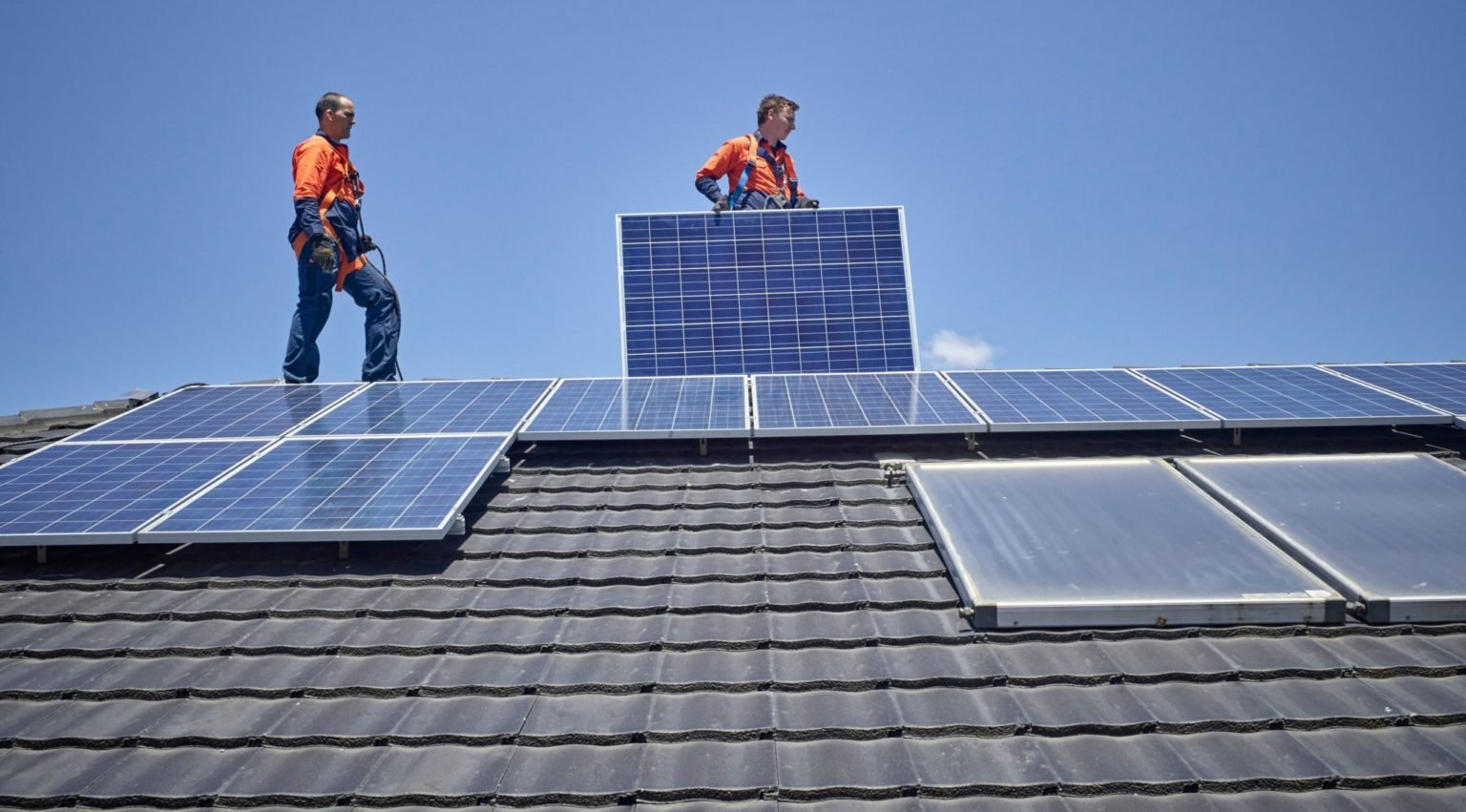
Take a satellite picture of any large logistics park and there is a clear pattern. Roofs are peppered with dark rectangles. Solar panel installations are now the norm on distribution centers, and the practice is becoming more widespread as owners try to keep energy costs down and go green. Great for utility companies. Somewhat tricky for fire protection.
This is because solar installations require roof access, electrical work, and in some cases modifications to the sprinkler lines within the building. In each case, there will be a period of time during which parts of the fire protection system will be shut down. Every time this occurs, there is an expectation of interim fire protection. For many companies, this takes the form of a fire watch for amazon warehouses. To understand why this is important, it helps to start with the roof.
Stop One: The Roof
Electrical loading in the form of panels, inverters, and conduit is now added to a roof deck that once supported only vents. Wiring problems on roofs are hidden sources of smoldering fires, and firefighters must have paths to ventilate buildings. Therefore, the layout of panels must be designed in such a way as to provide walkways and setbacks.
While working on the installation, sparks from cutting operations, screws being inserted into the decking, and use of extension cords are potential sources of ignition. An individual designated to monitor the process will cost little. In any case, roof fires spread silently under insulation, so early intervention always pays off.
Stop Two: The Space Under the Roof
Directly under the roof are the main lines of sprinklers, suspended by the building structure. When contractors cut openings in the roof or strengthen the frame because of additional loads, sprinkler lines may be re-routed, capped off, or drained. Perhaps just one branch of the system becomes inoperable.
That’s the moment paperwork matters. A tag goes on the valve. The alarm company hears about it. The fire department gets a call. And somebody starts walking the impaired area at set intervals, because a half-empty sprinkler zone is no protection at all.
Stop Three: The Racks
Storage height keeps creeping upward as owners squeeze more product into the same footprint. Taller racks need more careful sprinkler design, and plenty of buildings now rely on high-challenge systems built for fast-growing fires.
Those systems are impressive. They’re also unforgiving if parts of them go dark. With ceiling-level protection down, a patrol member on a fire watch for amazon warehouses should be watching for the things that start fires among racks: damaged pallets, leaking battery packs, forklifts parked too close to stock, and loose wrap lying in aisles.
Stop Four: The Charging Corner
All locations seem to have them. Charger lines whir behind a wall, charging lift trucks, carts, and handheld units. Excess heat, pulling on cords, and aftermarket cheap chargers are inevitable.
As soon as the area of suppression in this corner goes down, it will become the first spot visited by patrolling teams and the last one they will leave on the way out.
Stop Five: The Dock Doors
Trailer trucks return to the dock while the engine is idling; trucks with drivers who come and go, and staging areas where cartons await a delayed truck appear here. Outside the building, trailers parked too close to the wall can expose siding and doors if something ignites. Patrol routes should include the exterior, especially at night.
Stop Six: The Riser Room
Back where the system actually lives, a small room holds the valves, gauges and alarm devices. This is where the repairs start and end. If the room is organised with labels on the valves, a map of the equipment and enough open space to walk around, then all the more efficient it will be when the time is crucial.
What Ties the Tour Together
All the places have the same logic: something gets changed, the protection becomes lower and the attention should be increased. Those operators who understand it usually try to perform tasks in sequence, so that just one major system would not become compromised. In addition, they do not schedule their projects during the shipping week.
A small checklist keeps things on track:
- Confirm which zones will be affected, and for how long
- Notify the fire department, insurer and alarm company
- Assign trained personnel before the valve closes
- Keep hot work to a minimum, with permits for anything unavoidable
- Log every round and every observation
- Hold coverage until final testing is done
Wrapping Up
Solar panels, higher racks, battery-operated machines – all are good improvements when taken separately. Together, they make today’s warehouses much more complicated than the old boxes they have replaced. Preparing for that complexity, and ensuring that trained guards stand ready if sprinklers go out, prevents progress from leading to unnecessary risks.

Lauryn F is a professional content writer specializing in birthday wishes, anniversary messages, greetings, and heartfelt quotes. With experience in newspaper publishing and creative writing, she creates meaningful and personalized content that helps readers express their emotions with the right words. Her goal is to make every message feel genuine, memorable, and special.