Understanding Stroke Treatment and Recovery: What Patients and Families Need to Know
A stroke is one of the most time-sensitive medical emergencies a person can face. Within minutes of a stroke occurring, brain cells begin to die at an alarming rate, making rapid diagnosis and intervention not just important — but life-defining. For patients and their loved ones, understanding the landscape of stroke care, from the moment of onset through long-term rehabilitation, can make an enormous difference in outcomes. This article explores the key stages of stroke treatment, the emotional journey families experience, and the role that world-class medical institutions play in restoring quality of life.
What Happens During a Stroke and Why Speed Matters
A stroke occurs when blood supply to part of the brain is interrupted or reduced, depriving brain tissue of oxygen and nutrients. There are two primary types: ischemic strokes, caused by a blood clot blocking an artery, and hemorrhagic strokes, caused by a ruptured blood vessel. Transient ischemic attacks, often called mini-strokes, are brief episodes that serve as critical warning signs of a more serious event to come.
The phrase “time is brain” is not a cliché in neurology — it is a clinical reality. For every minute a large vessel ischemic stroke goes untreated, approximately 1.9 million neurons are lost. This is why emergency response systems, rapid imaging, and access to specialized stroke units are so essential. Hospitals equipped with dedicated neuro-vascular teams can administer clot-dissolving medications or perform mechanical thrombectomy procedures within the critical treatment window, dramatically improving survival rates and reducing long-term disability.
The Stages of Stroke Treatment
Acute Phase: Emergency Intervention
The acute phase of stroke treatment begins the moment a patient arrives at the emergency department. Neurologists and radiologists work in concert to perform CT scans or MRI imaging to determine the type and location of the stroke. For ischemic strokes, intravenous thrombolysis using tissue plasminogen activator (tPA) may be administered if the patient is within the treatment window. In cases involving large vessel occlusions, mechanical thrombectomy — a minimally invasive procedure that physically removes the clot — has revolutionized outcomes for patients who would previously have faced severe disability.
Hemorrhagic strokes require a different approach, often involving blood pressure management, reversal of anticoagulants, and in some cases, surgical intervention to relieve pressure on the brain. The complexity of these decisions underscores why stroke care must be delivered by highly specialized, multidisciplinary teams.
Subacute Phase: Stabilization and Early Rehabilitation
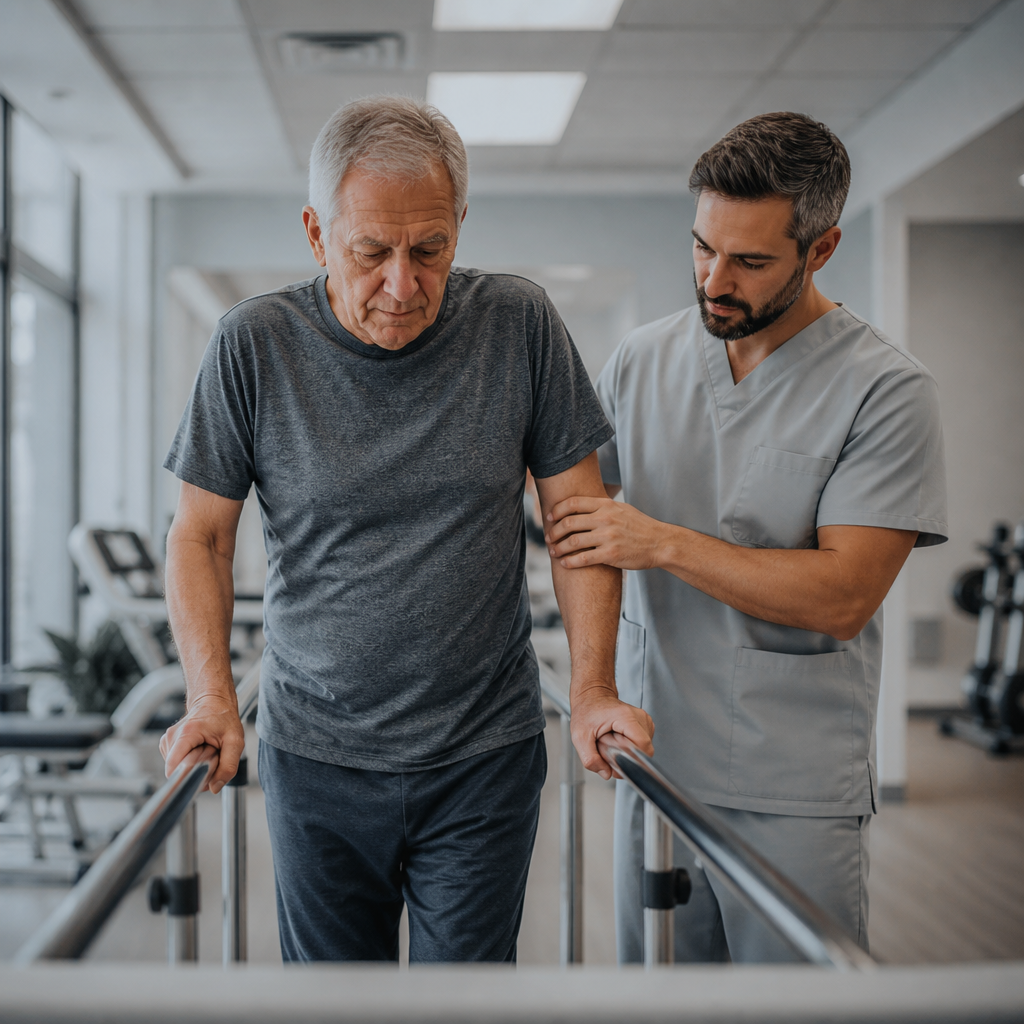
Once a patient is stabilized, the focus shifts to preventing secondary complications such as pneumonia, deep vein thrombosis, and recurrent strokes. Early rehabilitation — including physiotherapy, occupational therapy, and speech-language pathology — typically begins within 24 to 48 hours of admission when the patient is medically stable. Research consistently shows that early mobilization and targeted therapy during this phase significantly improve functional recovery.
Families play a crucial role during this period. Learning how to support a loved one through the disorientation, emotional volatility, and physical limitations that often follow a stroke requires both education and emotional resilience. Many hospitals now offer family counseling and caregiver training as part of their stroke care programs.
The Emotional Weight on Families and the Power of Community Support
When a loved one suffers a stroke, the emotional impact on family members can be profound and long-lasting. Feelings of helplessness, grief, and anxiety are common, particularly in the early days when the prognosis remains uncertain. Many families find comfort in connecting with others who have walked a similar path — through support groups, online communities, and spiritual practices.
For those seeking solace during difficult times, sending prayers and messages of hope to loved ones in recovery can be a meaningful way to maintain emotional connection and offer encouragement. The psychological dimension of recovery is often underestimated, yet studies confirm that patients with strong social and emotional support networks tend to recover more effectively and report higher quality of life outcomes.
Comparing Stroke Treatment to Other Medical Specialties
Stroke treatment shares certain principles with other complex medical disciplines. In oncology, for example, the importance of multidisciplinary care teams, personalized treatment planning, and ongoing monitoring is equally paramount. Those interested in understanding how surgical intervention fits into broader treatment strategies can explore how surgery is used in cancer treatment, which illustrates the careful balance between risk and benefit that specialists must weigh in any high-stakes medical context. The parallels are instructive: in both stroke care and oncology, the goal is not merely survival, but meaningful recovery and restored function.
Long-Term Recovery: What to Expect
Rehabilitation and Neuroplasticity
The brain’s capacity to reorganize itself — known as neuroplasticity — is the foundation of stroke rehabilitation. Through consistent, targeted therapy, patients can often regain significant function even months or years after their initial stroke. Rehabilitation programs may include constraint-induced movement therapy, robotic-assisted physiotherapy, cognitive rehabilitation, and aphasia treatment for those with language difficulties.
Progress is rarely linear. Patients may experience plateaus, setbacks, and moments of frustration. Realistic goal-setting, combined with compassionate clinical support, helps patients maintain motivation and engagement throughout the recovery journey.
Secondary Prevention: Reducing the Risk of Recurrence
One of the most critical aspects of long-term stroke management is preventing a second event. This involves addressing modifiable risk factors such as hypertension, atrial fibrillation, diabetes, high cholesterol, smoking, and physical inactivity. Medication adherence, lifestyle modification, and regular follow-up with a neurologist or stroke specialist are essential components of any secondary prevention strategy.
Cleveland Clinic Abu Dhabi: A Center of Excellence in Neuro-Vascular Care
For patients in the UAE and the broader region, access to internationally accredited, specialized stroke care has never been more important. Cleveland Clinic Abu Dhabi’s Neurological Institute brings together a team of world-class neurologists, neurosurgeons, interventional neuroradiologists, and rehabilitation specialists dedicated to delivering the highest standard of neuro-vascular care. Patients seeking stroke treatment abu dhabi benefit from a comprehensive, evidence-based approach that spans emergency intervention, acute care, and long-term rehabilitation — all within a single, integrated system modeled on one of the world’s most respected medical institutions.
The center’s stroke program is built around rapid response protocols, advanced imaging capabilities, and a patient-centered philosophy that recognizes the unique needs of each individual and their family. From the moment of admission through discharge and beyond, patients receive coordinated, compassionate care designed to maximize recovery and restore independence.
Conclusion: Knowledge, Speed, and the Right Care Team
Stroke remains one of the leading causes of death and long-term disability worldwide, yet advances in treatment have transformed what is possible for survivors. The combination of public awareness, rapid emergency response, specialized clinical expertise, and sustained rehabilitation support gives patients the best possible chance at meaningful recovery. For families navigating this challenging journey, understanding the process — and knowing where to turn for expert care — can be the difference between despair and hope. Whether you are a patient, a caregiver, or simply someone seeking to be better prepared, investing in that knowledge today is one of the most important steps you can take.
Lauryn F is a professional content writer specializing in birthday wishes, anniversary messages, greetings, and heartfelt quotes. With experience in newspaper publishing and creative writing, she creates meaningful and personalized content that helps readers express their emotions with the right words. Her goal is to make every message feel genuine, memorable, and special.