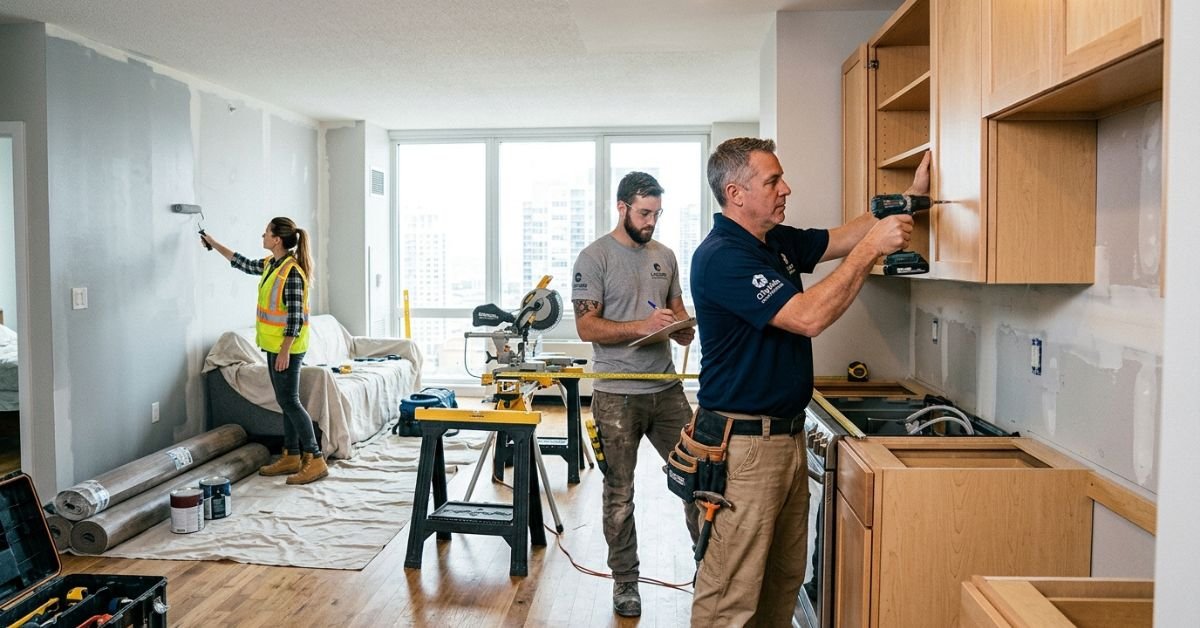
From Dated to Distinctive: Transforming Apartments with Thoughtful Design
Apartment renovation can refresh outdated interiors, improve functionality, and create spaces that better reflect changing lifestyles, practical needs, and contemporary design preferences.
For homeowners planning a significant upgrade, apartment renovation contractors can help coordinate design decisions, material selection, construction activities, and finishing work. A successful renovation requires more than choosing attractive finishes; it involves evaluating the existing layout, identifying structural or functional limitations, planning budgets, and establishing realistic timelines. Thoughtful design can improve storage, lighting, circulation, and room functionality while creating a more cohesive visual identity. Whether the goal is a modern refresh or a comprehensive transformation, careful planning helps reduce unnecessary changes during construction. Clear communication, suitable materials, and professional project coordination can also contribute to a smoother renovation experience and a more practical finished apartment.
Planning Priorities for a Successful Apartment Transformation
A well-planned renovation balances aesthetics, functionality, budget, materials, and construction requirements to create a comfortable and durable living environment.
1. Assessing the Existing Apartment
Before renovation begins, homeowners should carefully evaluate the current apartment. Existing layouts, flooring, walls, electrical systems, plumbing, lighting, storage, and ventilation can influence the scope of work. Identifying problems early allows renovation plans to address practical weaknesses rather than focusing only on appearance. A detailed assessment can also help establish realistic priorities and prevent unexpected changes during construction. Knowing what to retain, modify, or replace creates a stronger foundation for the overall design.
2. Establishing a Functional Layout
An effective layout should support everyday movement and household routines. Furniture placement, room proportions, circulation paths, storage areas, and access points all influence how comfortable an apartment feels. Renovation may provide an opportunity to improve inefficient layouts or create better connections between living areas. However, changes should account for structural restrictions and building requirements. A practical layout combines visual openness with sufficient storage and functional zones, ensuring the redesigned space remains convenient after the renovation.
3. Selecting Suitable Materials
Materials influence appearance, durability, maintenance, and long-term value. Select flooring, wall finishes, cabinetry, countertops, fixtures, and hardware based on each room’s needs. High-traffic areas may require more durable surfaces, while moisture-prone spaces need appropriate materials that can withstand regular exposure. Homeowners should also consider how colors, textures, and finishes work together. Choosing materials as part of a coordinated design can create greater consistency throughout the apartment while supporting practical everyday use.
Design Elements Creating Distinctive Apartment Interiors
Thoughtful details can transform ordinary interiors by improving visual balance, comfort, storage, and the home’s overall character.
1. Lighting and Visual Atmosphere
Lighting can significantly influence how an apartment looks and feels. Maximize natural light where possible, and layer artificial lighting with ambient, task, and accent sources. Well-positioned fixtures can highlight architectural features, improve functionality, and create different moods throughout the home. Warm or neutral lighting can also complement selected materials and finishes. A considered lighting plan should therefore be developed alongside the interior layout rather than added as an afterthought once renovation work is complete.
2. Smart Storage Integration
Incorporate storage into the design without overwhelming available space. Built-in cabinets, wardrobes, shelving, and multifunctional furniture can provide practical storage while maintaining a clean appearance. In smaller apartments, vertical storage and customized solutions can help make better use of limited floor area. Storage planning should also consider how frequently different belongings are used. Keeping everyday items accessible while placing less-used possessions in concealed compartments can reduce clutter and support a more organized living environment.
3. Coordinating Colors and Finishes
A cohesive color palette can connect different rooms and create a stronger sense of continuity. Neutral foundations can provide flexibility, while carefully selected accent colours, textures, and decorative elements can add personality. Finishes should complement one another without making every surface identical. Combining contrasting materials can introduce depth while maintaining visual balance. Homeowners should consider natural and artificial lighting when selecting colors because finishes can look very different under different lighting conditions throughout the day.
Managing Renovation Work With Greater Precision
Renovation projects involve multiple stages, from planning and demolition to installation, finishing, and final inspection. Clear scheduling can help coordinate different trades and reduce unnecessary delays. Working with experienced apartment renovation contractors can also support better coordination throughout the project.
Homeowners should establish project priorities before work begins and communicate expectations clearly. Changes introduced after construction starts can affect costs and timelines, particularly when materials or installations have already been ordered. A documented scope of work can help clarify responsibilities and reduce misunderstandings.
Quality checks should also be performed throughout the project, not only at completion. Reviewing workmanship, material installation, electrical points, plumbing fixtures, cabinetry, flooring, and finishing details at appropriate stages can help identify issues earlier. Proper coordination supports a smoother transition from initial design to completed apartment.
Creating Long-Term Value Through Thoughtful Renovation
A successful renovation should remain practical beyond the initial visual transformation. Homeowners can consider durability, maintenance requirements, energy efficiency, storage, adaptability, and changing household needs when making design decisions.
Choosing durable materials can reduce the need for frequent replacements, while efficient lighting and suitable fixtures may lower operating costs. Flexible layouts can also make the apartment easier to adapt as lifestyles change. Rather than following short-lived design trends throughout the entire home, homeowners may use timeless foundations and introduce trends through replaceable decorative elements.
This approach can help create an interior that feels contemporary without quickly becoming outdated. Thoughtful renovation ultimately combines attractive design with practical decisions that support comfort and usability over the longer term.
Conclusion
Apartment renovation provides an opportunity to improve outdated interiors while creating spaces that better support modern lifestyles. Effective results depend on thoughtful planning, functional layouts, suitable materials, coordinated lighting, practical storage, and careful project management. Focusing on both aesthetics and everyday usability helps homeowners create a more comfortable, distinctive living environment.
For homeowners seeking apartment renovation contractors in Dubai, Haifa Renov8 provides renovation and interior solutions tailored to different residential needs. They can support apartment transformations through planning, design, renovation, and finishing. Homeowners should review project scope, materials, timelines, costs, and workmanship expectations before beginning renovation work. A carefully planned approach can help transform a dated apartment into a functional, visually cohesive, and more personalized home.