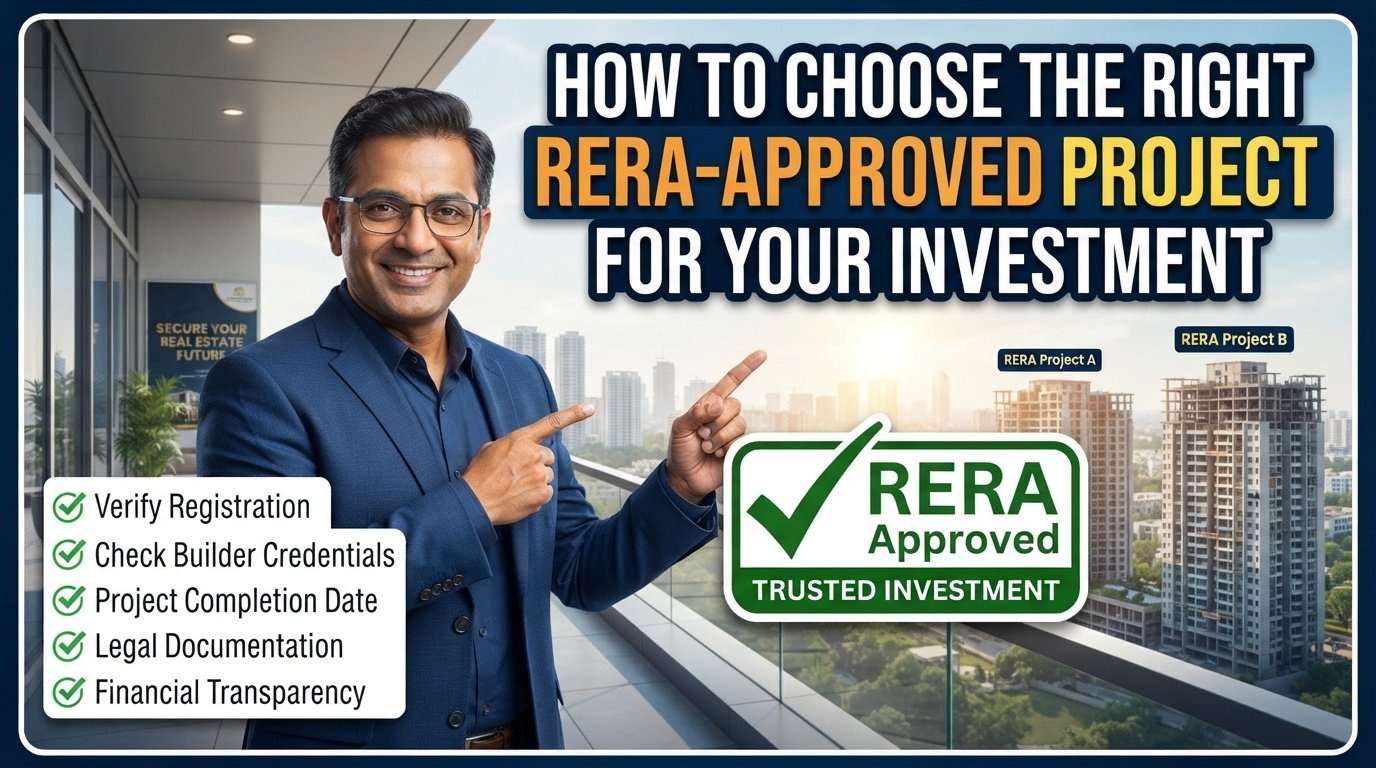
How to Choose the Right RERA-Approved Project for Your Investment
Choosing the right property for investment requires careful research rather than relying only on price, location, or project popularity. A RERA approved project in Sector 53 can be an option for buyers exploring established residential markets, but investors should assess several factors before making a decision. Project registration, developer background, location, configuration, documentation, financing requirements, and long-term suitability all deserve attention.
A structured evaluation can help buyers compare available opportunities, understand their priorities, and select a property that aligns with their financial capacity and investment objectives while reducing avoidable uncertainty during the purchase process.
Define Your Investment Objective
The first step is to understand why you want to invest in real estate. Your objective influences the property type, configuration, location, and budget. A homebuyer may prioritise space, accessibility, and lifestyle requirements, while an investor may focus on location, developer, documentation, property segment, and long-term suitability.
Set a Realistic Budget
Your budget should be established before comparing properties. Consider your available funds, financing needs, and broader financial commitment instead of looking only at the quoted property price.
A realistic budget helps filter properties according to your financial capacity. If financing is required, evaluate potential loan eligibility and repayment capacity before finalising a project.
Verify RERA Registration and Project Information
Regulatory information is an important part of property research. Before purchasing, buyers should independently verify the project’s RERA registration and examine information available through the relevant authority.
RERA registration is only one consideration. Buyers should also review project documentation, developer details, approvals, payment terms, and other relevant information, particularly for new or developing projects.
Research the Developer
The developer’s background can provide useful context. Buyers should examine the developer’s portfolio, experience, previous developments, and market presence. The property portfolio includes projects associated with recognised developers such as Godrej Properties, DLF, Oberoi Realty, Adani Realty, Signature Global, Experion, Sobha, M3M, Birla Estates, Max Estates, Central Park, Krisumi, Emaar, BPTP, and Prestige.
However, buyers should assess the individual project rather than relying only on the developer’s name. Project-specific documentation and suitability remain important.
Assess the Location Carefully
Location is a major factor when selecting an investment property. Examine accessibility, surrounding development, connectivity, and overall suitability instead of choosing a locality based on popularity alone.
For example, buyers evaluating high rise apartments Sector 53 Gurgaon should consider documentation, configuration, developer, budget, and personal requirements along with the location.
The property portfolio covers major markets including Gurugram, Delhi, Mumbai, Noida, Hyderabad, Bengaluru, and Pune, allowing comparisons across locations and property segments.
Compare Property Types and Configurations
The right configuration depends on your intended use. Compare available floor plans, property sizes, layouts, and configurations. Consider whether the space is practical rather than focusing only on bedroom count or overall size.
Comparing similar properties across projects can help identify an option that matches your objectives, preferences, and financial plans.
Review Project Documentation
Documentation should be carefully reviewed before making a commitment. Buyers need to understand relevant agreements, project information, payment requirements, and compliance-related documents.
This becomes important when comparing multiple projects. Two properties may appear similar because of location or configuration, but their documentation and project-specific details may differ.
Professional assistance with paperwork can make the process easier, but buyers should still review important documents carefully and independently verify information before making a financial commitment.
Arrange a Site Visit
Online property information can create an initial shortlist, but a site visit provides additional understanding of the project and surroundings.
Buyers can observe the location, discuss project details, ask questions, and determine whether the property matches their expectations.
Consider Financing Requirements
If you intend to take a loan, evaluate eligibility, repayment capacity, interest terms, and expected financial commitment. Understanding financing requirements helps you focus on properties that align with your financial position.
Loan assistance can help buyers understand financing options, while final terms and approval depend on the lender and buyer eligibility.
Compare Projects Before Deciding
After researching suitable properties, create a comparison based on the factors that matter most to you. Compare RERA registration, location, developer background, property configuration, budget, documentation, financing requirements, site observations, and long-term suitability.
For example, DLF Golf Course Gurgaon apartments may appeal to buyers interested in properties around an established premium location, but the final decision should still be based on the specific project’s documentation, configuration, financial requirements, and suitability.
A structured comparison reduces the chances of making a decision based only on an attractive feature, introductory offer, or general market perception.
Think About Long-Term Suitability
Real estate is generally a long-term commitment, so consider whether the property will continue to meet your objectives over time.
For end users, future family requirements, space, accessibility, and lifestyle preferences may influence the decision. Investors may consider the property’s suitability within their broader investment strategy.
Avoid choosing a property simply because it appears attractive at purchase. Evaluate whether its location, configuration, developer, documentation, and financial requirements align with your expected holding period.
Use Professional Guidance Where Required
Property selection can involve several stages, from identifying suitable projects and arranging site visits to reviewing documents and understanding financing requirements.
Professional property advisory services can help organise these steps and provide personalised assistance according to a buyer’s budget, preferences, and goals.
Professional guidance can support buyers while they compare suitable properties, understand documentation, arrange financing assistance, and progress through purchase.
Conclusion
Choosing the right property requires a balanced evaluation of registration, documentation, developer background, location, configuration, budget, financing, and long-term objectives. A RERA approved project in Sector 53 should therefore be assessed through a complete property evaluation process rather than registration status alone. Independent verification, project comparison, professional consultation, and careful financial planning can help buyers make a more informed real estate investment decision.
SLOC provides end-to-end real estate assistance through curated property listings, site visits and consultation, legal and documentation support, NRI assistance, and loan assistance. Its services help buyers connect with suitable properties, compare verified options, understand documentation, arrange financing support, and receive guidance through the purchase journey and post-purchase customer support with personalised assistance for different property requirements and investment goals.

Lauryn F is a professional content writer specializing in birthday wishes, anniversary messages, greetings, and heartfelt quotes. With experience in newspaper publishing and creative writing, she creates meaningful and personalized content that helps readers express their emotions with the right words. Her goal is to make every message feel genuine, memorable, and special.